Daily and Weekly Meal Planner: A Practical Tool for Better Nutrition and Organization
In today’s fast-paced world, maintaining a healthy diet can be challenging. The Daily and Weekly Meal Planner offers a structured approach to meal preparation that supports both nutritional goals and daily efficiency. This resource is particularly valuable for individuals seeking to streamline their food planning while ensuring balanced nutrition. Whether you're a busy professional, a parent, or someone focused on long-term health, this planner provides a practical solution to common dietary challenges.
What Is the Daily and Weekly Meal Planner?
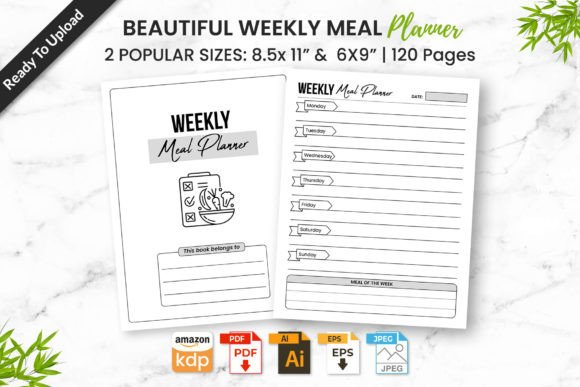
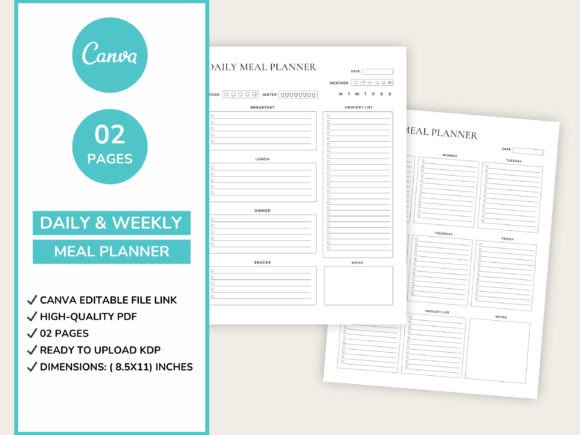
The Daily and Weekly Meal Planner is a customizable tool designed to help users plan meals over a set period. It typically includes sections for daily and weekly entries, allowing users to outline what they’ll eat each day. The planner is often available in digital formats such as Canva editable files and high-quality PDFs, making it easy to adapt and print. Its design emphasizes usability, with clear layouts that support organization without requiring advanced planning skills.
This type of planner is ideal for those who want to avoid last-minute decisions about meals, reduce food waste, and maintain consistency in their eating habits. By setting a routine, users can better manage their time and resources while still enjoying variety in their meals.
Key Features and Benefits
The Daily and Weekly Meal Planner comes with several features that make it a useful addition to any kitchen or personal development toolkit. These include:
- Daily Meal Planner: A section dedicated to outlining meals for each day, including breakfast, lunch, dinner, and snacks.
- Weekly Meal Planner: A broader view that allows users to plan meals across seven days, helping to identify patterns and optimize grocery shopping.
- Canva Editable File: Users can customize the planner to match their preferences, whether through color schemes, fonts, or layout adjustments.
- Print Ready PDF: High-quality, ready-to-print documents ensure that the planner is accessible for both digital and physical use.
- Three Pages: Compact yet comprehensive, the planner fits into a standard 8.5x11-inch format, making it easy to carry or store.
These elements combine to create a flexible and user-friendly system that adapts to different lifestyles and dietary needs.
How It Works in Real-World Scenarios
Using the Daily and Weekly Meal Planner involves a few straightforward steps. Start by identifying your nutritional goals, such as weight management, muscle building, or simply maintaining a balanced diet. Then, allocate meals for each day, considering ingredients you already have and any upcoming sales or discounts. Finally, review the weekly plan to ensure it aligns with your schedule and adjust as needed.
For example, a working parent might use the weekly planner to prepare meals that can be stored or reheated, saving time during busy weekdays. A fitness enthusiast could use the daily planner to track protein intake and ensure they meet their macro goals. The flexibility of the tool makes it suitable for a wide range of scenarios.
Strengths and Practical Value
One of the primary strengths of the Daily and Weekly Meal Planner is its ability to promote consistency. By establishing a routine, users are less likely to rely on convenience foods or skip meals. This consistency can lead to better digestion, improved energy levels, and a more stable mood.
The planner also encourages mindful eating. When you take the time to plan your meals, you’re more likely to consider portion sizes, ingredient quality, and overall balance. This can lead to healthier choices and a greater awareness of how food affects your body.
Another benefit is the reduction of food waste. By planning meals in advance, users can buy only what they need, minimizing the chances of unused ingredients going bad. This not only saves money but also reduces environmental impact.
Who Can Benefit Most from This Planner?
The Daily and Weekly Meal Planner is especially beneficial for individuals with demanding schedules. Professionals, entrepreneurs, and small business owners often struggle to find time for meal prep, making this tool an efficient solution. It also suits families looking to simplify their weekly routines and reduce the stress of daily meal decisions.
Those with specific dietary needs, such as gluten-free, vegetarian, or low-carb diets, can also find value in the planner. Its customizable nature allows users to tailor their meal plans to accommodate restrictions without compromising on variety or enjoyment.
Additionally, content creators and educators may use the planner to develop recipes, share meal ideas, or teach others about nutrition. The ability to edit and print the planner makes it a versatile resource for various applications.
Considerations and Limitations
While the Daily and Weekly Meal Planner offers many advantages, it may not suit everyone. Individuals who prefer spontaneous meal choices or have highly variable schedules might find the structure limiting. However, the planner’s flexibility allows for adjustments, making it adaptable to changing circumstances.
It’s also important to note that the planner itself does not provide nutritional guidance. Users should pair it with reliable sources of dietary information to ensure their meals meet their health goals. For instance, someone aiming to lose weight should consult a registered dietitian or use a calorie-tracking app alongside the planner.
Final Thoughts
The Daily and Weekly Meal Planner is a practical resource for anyone looking to improve their eating habits and streamline their daily routine. Its combination of structure, customization, and ease of use makes it a valuable tool for a wide range of users. Whether you’re managing a hectic schedule, following a specific diet, or simply aiming for better organization, this planner can help you achieve your goals more efficiently.
If you’re interested in exploring further, consider visiting the creator’s store to discover additional designs that may better suit your needs. With the right tools and mindset, meal planning can become a rewarding and sustainable practice.