180 KAKURASU V1: A Comprehensive Guide to the 8.5 X 11 Bleed Puzzle
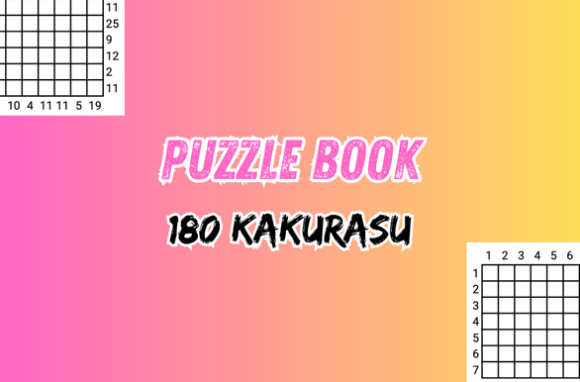
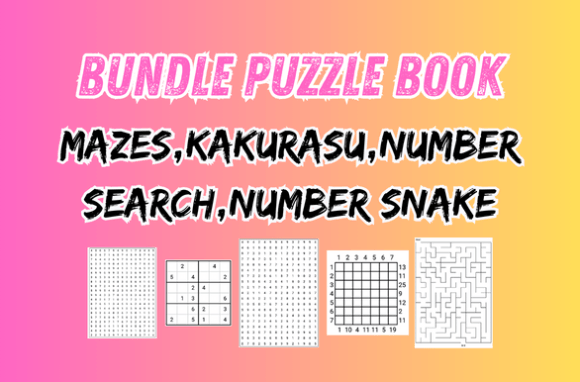
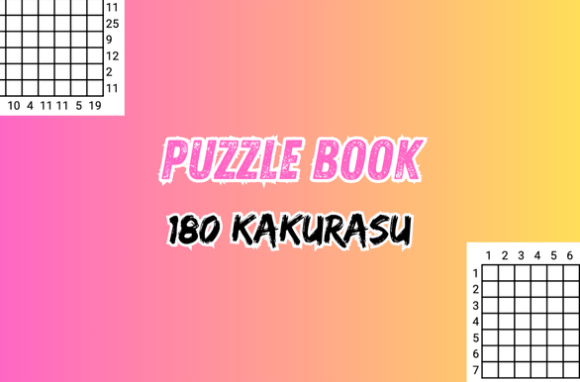
The 180 KAKURASU V1 is a unique puzzle format that combines logic and spatial reasoning in a structured grid. Designed for adults seeking mental challenges, this version of Kakurasu features an 8.5 x 11 bleed layout, making it ideal for printing and solving on standard paper sizes. The puzzle involves deducing which cells in a grid should be filled based on numerical clues provided along the top and left sides of the grid.
Unlike traditional Sudoku or crosswords, Kakurasu requires a different approach. Each row and column has a number that indicates the sum of the values of the filled cells in that row or column. The goal is to determine which cells to fill so that all the sums match the given numbers. This makes the 180 KAKURASU V1 both a mental workout and a creative exercise.
What Makes 180 KAKURASU V1 Distinct?
The 180 KAKURASU V1 stands out due to its combination of simplicity and complexity. It uses a straightforward set of rules but offers a wide range of difficulty levels, from easy to hard. The 8.5 x 11 bleed size ensures that the puzzle is easy to print and handle, making it a practical choice for both casual and serious solvers.
One key feature of this version is the bleed design, which allows for precise alignment when printed. This is particularly useful for those who prefer solving puzzles on paper rather than digital devices. The layout also supports multiple solving techniques, from basic deduction to advanced strategies, catering to a broad audience of puzzle enthusiasts.
Comparing 180 KAKURASU V1 with Similar Puzzles
When compared to other logic-based puzzles, such as Sudoku, KenKen, or nonograms, the 180 KAKURASU V1 offers a different kind of challenge. While Sudoku focuses on placing numbers in a grid without repetition, Kakurasu emphasizes sum-based logic and spatial awareness. This distinction makes it appealing to those who enjoy puzzles that require a mix of pattern recognition and arithmetic skills.
Nonograms, also known as Picross, rely heavily on visual patterns and logical deduction, whereas Kakurasu introduces numerical constraints that influence the entire grid. This difference can make the 180 KAKURASU V1 more accessible to those who struggle with visual puzzles but excel at numerical reasoning.
Strengths and Tradeoffs of 180 KAKURASU V1
The 180 KAKURASU V1 excels in providing a structured yet flexible problem-solving experience. Its clear rules and consistent format make it easy to learn, while the varying difficulty levels ensure that solvers can progress at their own pace. The 8.5 x 11 bleed size is particularly beneficial for those who want to work on the puzzle in a physical space, such as during commutes or breaks.
However, the puzzle may not appeal to everyone. Some users might find the numerical focus less engaging than the visual or narrative elements of other puzzles. Additionally, the lack of immediate feedback can be a drawback for beginners who rely on hints or step-by-step guidance. For these reasons, the 180 KAKURASU V1 may not be the best choice for those looking for quick, intuitive challenges.
Best-Fit Situations for 180 KAKURASU V1
The 180 KAKURASU V1 is well-suited for individuals who enjoy analytical thinking and are comfortable with numbers. It is particularly effective for those who want to improve their logical reasoning skills or seek a mentally stimulating activity that doesn't require constant screen time. The puzzle's portability and ease of printing make it ideal for use in various settings, including classrooms, offices, and personal study spaces.
It also serves as a valuable tool for educators and parents looking to introduce children to logic puzzles. The 8.5 x 11 bleed size allows for easy distribution and handling, making it a practical choice for group activities or homework assignments. However, it may not be the best option for younger children who are still developing their number sense or for those who prefer more visually engaging puzzles.
Limitations and Decision Factors
Despite its many benefits, the 180 KAKURASU V1 has some limitations. The puzzle's reliance on numerical clues can be challenging for those who are not mathematically inclined. Additionally, the lack of color or imagery may reduce its appeal for users who prefer more dynamic or aesthetically pleasing puzzles. These factors should be considered when deciding whether the 180 KAKURASU V1 is the right fit for a particular user or situation.
When evaluating the 180 KAKURASU V1, it's important to consider the solver's preferences, skill level, and goals. For example, someone looking for a relaxing activity might prefer a simpler puzzle, while a dedicated logic enthusiast might appreciate the complexity and depth of the 180 KAKURASU V1. The decision should also take into account the availability of resources, such as printed materials or digital versions, and the desired level of engagement.
Realistic Examples and Practical Comparisons
Consider a scenario where a group of colleagues wants to engage in a team-building activity. The 180 KAKURASU V1 could serve as a collaborative puzzle that encourages discussion and problem-solving. In contrast, a different group might opt for a word-based puzzle like crosswords or Scrabble, which emphasizes vocabulary and language skills. Both options have their merits, but the choice depends on the group's interests and objectives.
Another example involves a student looking to improve their critical thinking abilities. The 180 KAKURASU V1 could be a useful supplement to traditional math exercises, offering a different perspective on numerical reasoning. However, if the student prefers a more interactive or multimedia-based approach, they might choose a digital puzzle game or an educational app instead.
When 180 KAKURASU V1 Is the Right Choice
The 180 KAKURASU V1 is the right choice for individuals who value structured problem-solving and are comfortable with numerical logic. It is particularly effective for those who want to develop their analytical skills in a low-pressure environment. The puzzle's accessibility and adaptability make it suitable for a wide range of users, from casual solvers to dedicated enthusiasts.
For example, a teacher looking to incorporate logic puzzles into their curriculum might find the 180 KAKURASU V1 to be a valuable resource. Its clear instructions and printable format allow for easy integration into lesson plans, while its varying difficulty levels cater to students of different ages and abilities. Similarly, a professional seeking a mental break during the workday might find the puzzle to be a refreshing and focused activity.
When Another Option May Be Better
In some cases, another puzzle format may be more appropriate. For instance, someone who enjoys visual challenges might prefer a nonogram or a jigsaw puzzle, which offers a different kind of satisfaction. Similarly, a person who is more interested in language and wordplay might find crosswords or cryptic puzzles more engaging.
Additionally, those who prefer digital interaction might opt for online puzzle platforms that offer instant feedback and adaptive difficulty levels. These alternatives can be more convenient for users who want to solve puzzles on the go or track their progress over time. Ultimately, the decision should be based on individual preferences, goals, and the specific context in which the puzzle will be used.